Name | Active | Category | Meaning | One Line Quotes | Origin | Primary Image | Quote | Quote Author | Related PDFs | Romanization | Source Links |
|---|---|---|---|---|---|---|---|---|---|---|---|
It is a blessing that he did not know, for otherwise he would have lost faith in his power to fly, and the moment you doubt whether you can fly, you cease for ever to be able to do it. | J. M. Barrie | ||||||||||
Do not let your mind become a prey to excitement, for if this effects a lodgment in your breast it will have dominion over you and will lead you into the great transgression. Always have some work on hand, that the devil may find you busy. | Select Library of The Nicene and Post-Nicene Fathers of The Christian Church VOLUME 6 St. Jerome Letters and Select Works | ||||||||||
Complete calmness and clarity in the midst of conflict | Mizu no Kokoro | ||||||||||
Do you remember who you were before the world told you who you should be? | Honrai Menmoku | ||||||||||
For this cause, I remind you that you should stir up the gift of God which is in you through the laying on of my hands. 7 For God didn’t give us a spirit of fear, but of power, love, and self-control. | 2 Timothy 1:6-7 | ||||||||||
The LORD bless you, and keep you. The LORD make his face to shine on you, and be gracious to you. The LORD lift up his face toward you, and give you peace. | Numbers 6:24 | ||||||||||
Humble yourselves, therefore, under the mighty hand of God so that at the proper time he may exalt you, 7 casting all your anxieties on him, because he cares for you. 8 Be sober-minded; be watchful. Your adversary the devil prowls around like a roaring lion, seeking someone to devour. | |||||||||||
Therefore don’t be anxious for tomorrow, for tomorrow will be anxious for itself. Each day’s own evil is sufficient. | |||||||||||
Rejoice, young man, in your youth, and let your heart cheer you in the days of your youth, and walk in the ways of your heart, and in the sight of your eyes; but know that for all these things God will bring you into judgment. Therefore remove sorrow from your heart, and put away evil from your flesh; for youth and the dawn of life are vanity. | Ecclesiastes 11:9 | ||||||||||
Two are better than one, because they have a good reward for their labor. For if they fall, the one will lift up his fellow; but woe to him who is alone when he falls, and doesn’t have another to lift him up. | |||||||||||
Put on therefore, as God’s chosen ones, holy and beloved, a heart of compassion, kindness, lowliness, humility, and perseverance; bearing with one another, and forgiving each other, if any man has a complaint against any; even as Christ forgave you, so you also do. Above all these things, walk in love, which is the bond of perfection. | |||||||||||
It is your duty not to complain of that part which you have lost, but to return thanks for that which you have enjoyed. “But,” say you, “it might have lasted longer.” Supposing you were given your choice, to be happy for a short time or not at all? It is better to enjoy pleasures which soon leave us than to enjoy none at all. | S. Annaeus Seneca | ||||||||||
If you get what you want by telling a lie, then you are not smart enough to get it by telling the truth | |||||||||||
Float like clouds, flow like water | Japanese | Kōun Ryūsui | |||||||||
All that we are is the result of what we have thought: it is founded on our thoughts, it is made up of our thoughts. If a man speaks or acts with a pure thought, happiness follows him, like a shadow that never leaves him. | Dhammapada 1:2 | https://www.gutenberg.org/cache/epub/2017/pg2017-images.html | |||||||||
It is harder to fight against pleasure than against anger. Both virtue and moral philosophy generally must wholly busy themselves respecting pleasures and pains, because he that uses these well will be good, he that does so ill will be bad. | Aristotle, Nicomachean Ethics | ||||||||||
They were broken in pieces, nation against nation, and city against city; for God troubled them with all adversity. But you be strong! Don’t let your hands be slack, for your work will be rewarded. | |||||||||||
In the morning sow your seed, and in the evening don’t withhold your hand; for you don’t know which will prosper, whether this or that, or whether they both will be equally good. Truly the light is sweet, and it is a pleasant thing for the eyes to see the sun. | Ecclesiastes 11, WEBU | ||||||||||
I always loved you, and if one loves anyone, one loves the whole person, just as they are and not as one would like them to be. | Leo Tolstoy | ||||||||||
For love is the desire of the whole, and the pursuit of the whole is called love. Wherefore let us exhort all men to piety, that we may obtain the goods of which love is the author, and be reconciled to God, and find our own true loves, which rarely happens in this world. | Plato | ||||||||||
Perhaps it is better to suffer and know the truth than to be happy in delusion. - Dostoevsky Do not part with your illusions. When they are gone you may still exist, but you have ceased to live. - Twain | Original Dostoevsky quote, It is better to be unhappy and know the worst, than to be happy in a fool's paradise. | https://www.gutenberg.org/files/2895/2895-h/2895-h.htm, https://www.gutenberg.org/cache/epub/2638/pg2638-images.html#part03 | |||||||||
Sensibility in such a situation is a curse: men become "cannibals of their own hearts;" remorse, regret, and restless impatience usurp the place of more wholesome feeling: every thing seems better than that which is; and solitude becomes a sort of tangible enemy, the more dangerous, because it dwells within the citadel itself. | Mary Shelley | https://www.gutenberg.org/cache/epub/64555/pg64555-images.html | |||||||||
If people bring so much courage to this world the world has to kill them to break them, so of course it kills them. The world breaks every one and afterward many are strong at the broken places. But those that will not break it kills. It kills the very good and the very gentle and the very brave impartially | Ernest Hemmingway | https://www.gutenberg.org/cache/epub/75201/pg75201-images.html | |||||||||
Either make the tree good and its fruit good, or make the tree corrupt and its fruit corrupt; for the tree is known by its fruit. You offspring of vipers, how can you, being evil, speak good things? For out of the abundance of the heart, the mouth speaks. The good man out of his good treasure brings out good things, and the evil man out of his evil treasure brings out evil things. | |||||||||||
Godliness with contentment is great gain. For we brought nothing into the world, and we certainly can’t carry anything out. | |||||||||||
Active | Let every man be swift to hear, slow to speak, and slow to anger; for the anger of man doesn’t produce the righteousness of God. Therefore, putting away all filthiness and overflowing of wickedness, receive with humility the implanted word, which is able to save your souls. But be doers of the word, and not only hearers, deluding your own selves. | ||||||||||
Active | Husbands, love your wives, as Christ also loved the assembly and gave himself up for her, that he might sanctify her, having cleansed her by the washing of water with the word, that he might present the assembly to himself gloriously, not having spot or wrinkle or any such thing, but that she should be holy and without defect. He who loves his wife loves himself | ||||||||||
Active | Love your enemies, and do good, and lend, expecting nothing back; and your reward will be great, and you will be children of the Most High; for he is kind toward the unthankful and evil. Therefore be merciful, even as your Father is also merciful. | Luke 6 | |||||||||
Intention appears from the eyes | Latin | ||||||||||
Difficult is the ascent to heaven | Latin | ||||||||||
By the power of truth, I, while living, have conquered the universe | Latin | ||||||||||
Fortune favors the prepared | Latin | ||||||||||
There are more things, Lucilius, likely to frighten us than there are to crush us; we suffer more often in imagination than in reality. I am not speaking with you in the Stoic strain but in my milder style. Accordingly, some things torment us more than they ought; some torment us before they ought; and some torment us when they ought not to torment us at all. We are in the habit of exaggerating, or imagining, or anticipating, sorrow. | Seneca, Letters | https://en.wikisource.org/wiki/Moral_letters_to_Lucilius/Letter_13 | |||||||||
What, then? Are we not more foolish than any child, we who “in the light of day feel fear”? But you were wrong, Lucretius; we are not afraid in the daylight; we have turned everything into a state of darkness. We see neither what injures nor what profits us; all our lives through we blunder along, neither stopping nor treading more carefully on this account. But you see what madness it is to rush ahead in the dark. Indeed, we are bent on getting ourselves called back from a greater distance; and though we do not know our goal, yet we hasten with wild speed in the direction whither we are straining. The light, however, may begin to shine, provided we are willing. But such a result can come about only in one way—if we acquire by knowledge this familiarity with things divine and human, if we not only flood ourselves but steep ourselves therein, if a man reviews the same principles even though he understands them and applies them again and again to himself, if he has investigated what is good, what is evil, and what has falsely been so entitled; and, finally, if he has investigated honour and baseness, and Providence. The range of the human intelligence is not confined within these limits; it may also explore outside the universe—its destination and its source, and the ruin towards which all nature hastens so rapidly. We have withdrawn the soul from this divine contemplation and dragged it into mean and lowly tasks, so that it might be a slave to greed, so that it might forsake the universe and its confines, and, under the command of masters who try all possible schemes, pry beneath the earth and seek what evil it can dig up therefrom—discontented with that which was freely offered to it. | Seneca | https://en.wikisource.org/wiki/Moral_letters_to_Lucilius/Letter_110 | |||||||||
The struggle alone pleases us, not the victory. It is the same in play, and the same in the search for truth. In disputes we like to see the clash of opinions, but not at all to contemplate truth when found. In the passions, there is pleasure in seeing the collision of two contraries; but when one acquires the mastery, it becomes only brutality. | Blaise Pascal | ||||||||||
I was too cowardly to do what I knew to be right, as I had been too cowardly to avoid doing what I knew to be wrong. Quite an untaught genius, I made the discovery of the line of action for myself. | Charles Dickens, Great Expectations | https://www.gutenberg.org/cache/epub/1400/pg1400-images.html | |||||||||
The doctrine of the strenuous life, the life of toil and effort, of labor and strife. The highest form of success which comes, not to the man who desires mere easy peace, but to the man who does not shrink from danger, from hardship, or from bitter toil, and who out of these wins the splendid ultimate triumph. | Theodore Roosevelt, The Strenuous Life Speech, 10 April 1899 | ||||||||||
Active | If a friend of mine had a sorrow and refused to allow me to share it, I should feel it most bitterly | 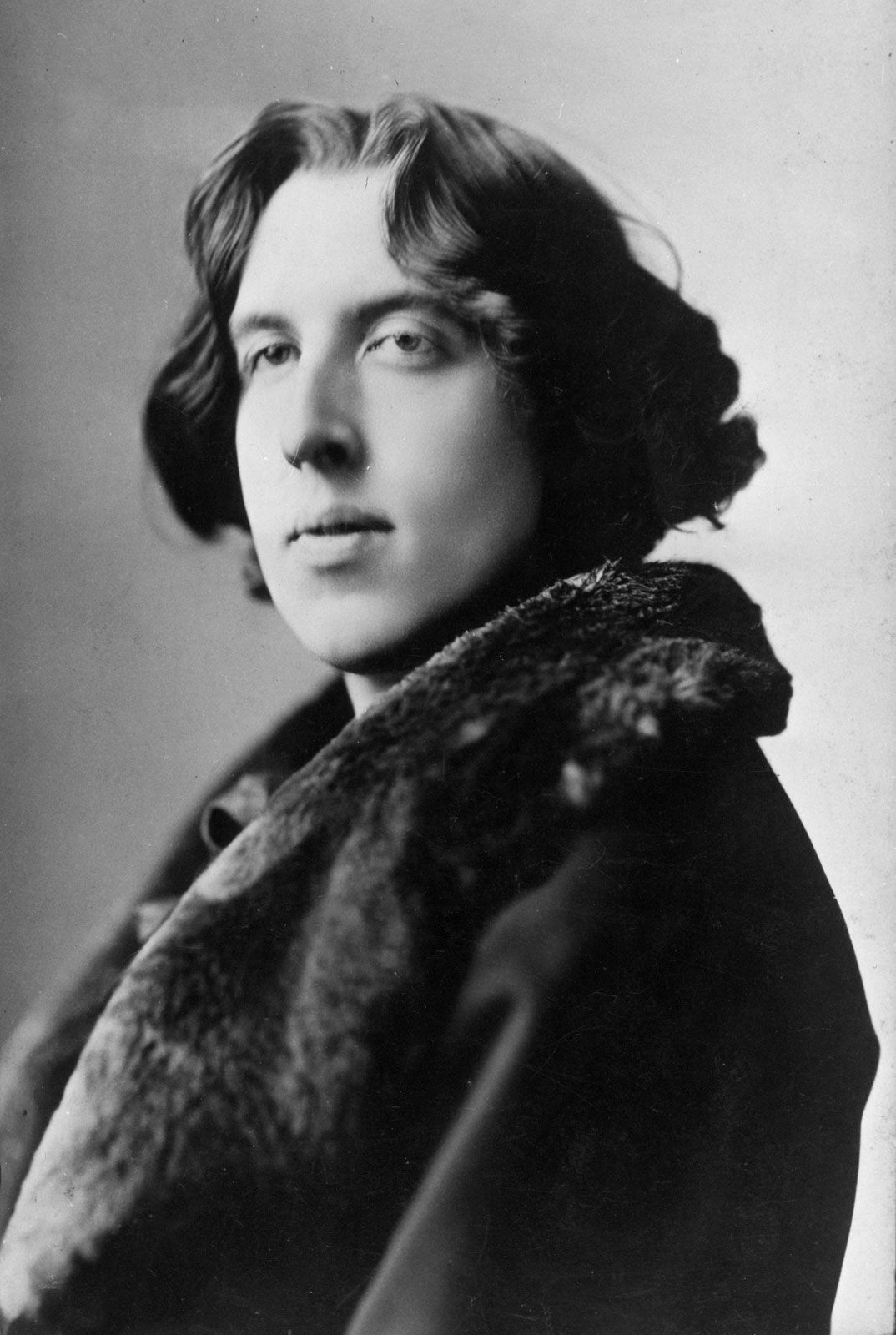 | “I can be perfectly happy by myself. But if after I am free a friend of mine had a sorrow and refused to allow me to share it, I should feel it most bitterly. He who can look at the loveliness of the world and share its sorrow, and realize something of the wonder of both, is in immediate contact with divine things, and has got as near to God’s secret as any one can get.” | Oscar Wilde, De Profundis | |||||||
Active | Why do you judge your brother? Why do you despise your brother? For we will all stand before the judgment seat of Christ. Each one of us will give account of himself to God. Therefore let us not judge one another any more, but judge this rather, that no man put a stumbling block in his brother’s way, or an occasion for falling. | Romans 14 | |||||||||
Opinion and knowledge, then, having distinct objects, must also be distinct faculties. And by faculties I mean powers unseen and distinguishable only by the difference in their objects, as opinion and knowledge differ, since the one is liable to err, but the other is unerring and is the mightiest of all our faculties. If being is the object of knowledge, and not-being of ignorance, and these are the extremes, opinion must lie between them, and may be called darker than the one and brighter than the other. | Plato, The Republic | https://www.gutenberg.org/cache/epub/1497/pg1497-images.html | |||||||||
I do not feel obliged to believe that the same God who has endowed us with senses, reason, and intellect has intended us to forego their use and by some other means to give us knowledge which we can attain by them. | Leonardo Da Vinci, Letter to the Grand Duchess Christina (1615) | ||||||||||
"The most wasted of all days is the one on which we have not laughed." | 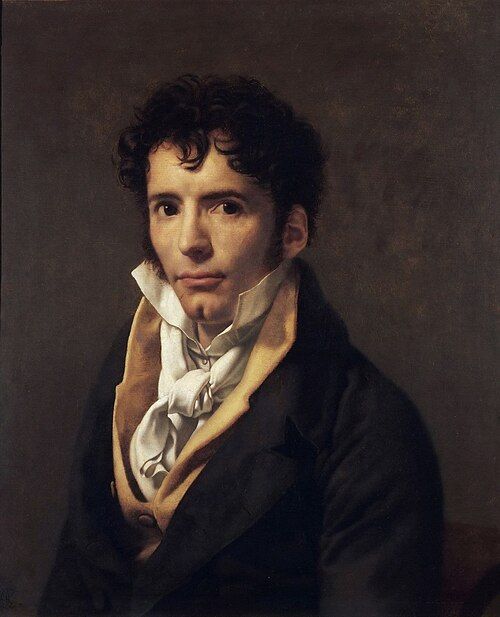 | "La plus perdue de toutes les journées est celle où l'on n'a pas ri." This translates to: "The most wasted of all days is the one on which we have not laughed." | Sébastien-Roch Nicolas de Chamfort, 1741-1794 | https://www.gutenberg.org/cache/epub/42377/pg42377-images.html | |||||||
True knowledge must integrate reason, faith, intuition, and lived experience | Russian | Integral Knowledge | |||||||||
Meaning, purpose, and values have to be chosen by us | Russian | Nihilism | |||||||||
Beauty in imperfection, impermanence, and incompleteness | Japanese | Wabi-sabi | |||||||||
Acceptance of circumstances beyond one's control | Japanese | Shikata ga nai | |||||||||
One time, one meeting | Japanese | ichi-go ichi-e | |||||||||
The consequences of one's own actions | Japanese | Jigō-Jitoku | |||||||||
Continuous improvement over delayed perfection | Japanese | Kaizen | |||||||||
Active | Do not be conformed to this world, but be transformed by the renewing of your mind, so that you may prove what is the good, well-pleasing, and perfect will of God. | Romans 12 | |||||||||
Active | Iron sharpens iron; so a man sharpens his friend’s countenance. | Proverbs 27 | |||||||||
Active | 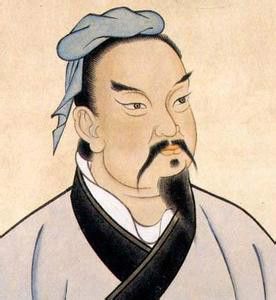 | Making no mistakes is what establishes the certainty of victory, for it means conquering an enemy that is already defeated. Hence the skillful fighter puts himself into a position which makes defeat impossible, and does not miss the moment for defeating the enemy. | Sun Tzu, the Art of War, translation by Lionel Giles (1910) | https://www.gutenberg.org/cache/epub/17405/pg17405-images.html | |||||||
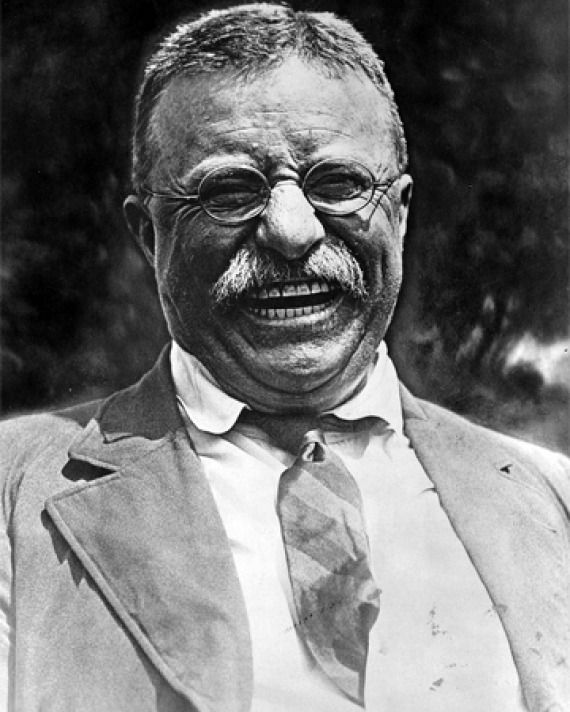 | The commoner type of success in every walk of life and in every species of effort is that which comes to the man who differs from his fellows not by the kind of quality which he possesses but by the degree of development which he has given that quality. | Theodore Roosevelt, An Autobiography by Theodore Roosevelt (1913) | |||||||||
Active | The infinite wonders of the universe are revealed to us in exact measure as we are capable of receiving them. |  | The infinite wonders of the universe are revealed to us in exact measure as we are capable of receiving them. The keenness of our vision depends not on how much we can see, but on how much we feel. | Helen Keller, The World I Live In (1904) | |||||||
Active | Every man has his secret sorrows which the world knows not; and often times we call a man cold when he is only sad. | 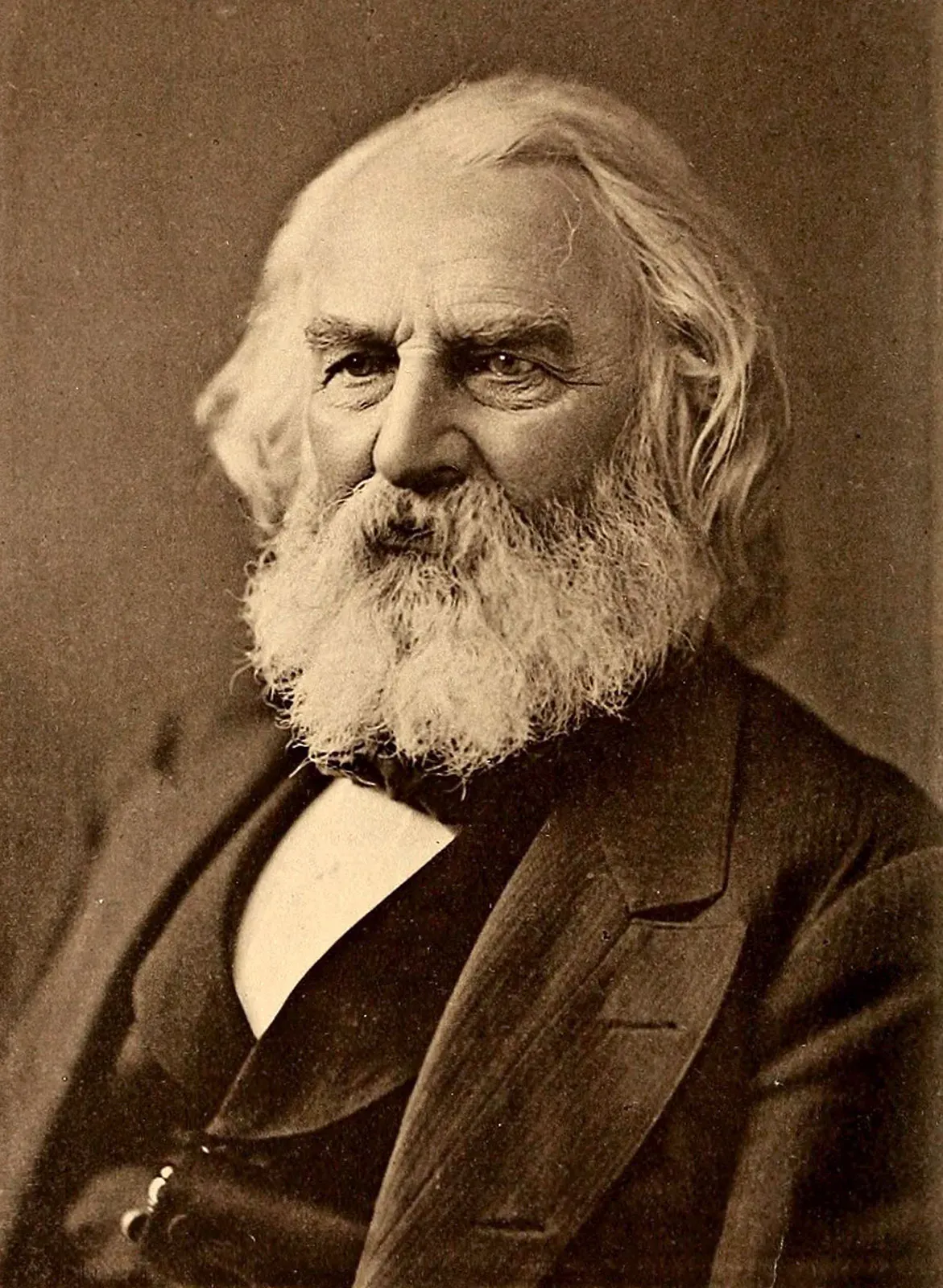 | "Every man has his secret sorrows which the world knows not; and often times we call a man cold when he is only sad." - Longfellow | Henry Wadsworth Longfellow, Hyperion (1839) | https://www.gutenberg.org/cache/epub/5436/pg5436-images.html | ||||||
Active | We do not know the true value of our moments until they have undergone the test of memory. | 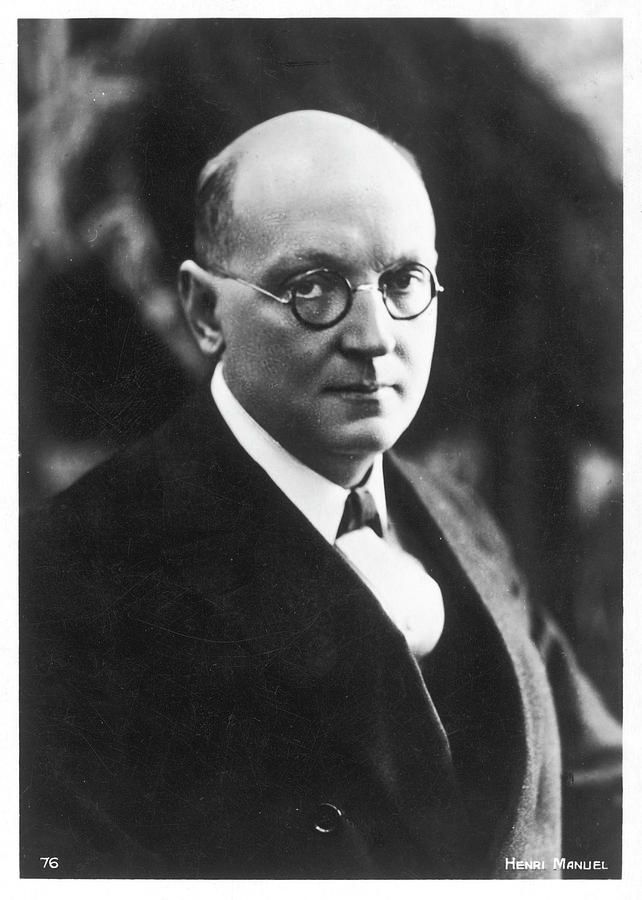 | We do not know the true value of our moments until they have undergone the test of memory. Like the images the photographer plunges into a golden bath, our sentiments take on color; and only then, after that recoil and that transfiguration, do we understand their real meaning and enjoy them in all their tranquil splendor. | Georges Duhamel, The Heart's Domain (1919) | |||||||
Active | It is impossible for a man to learn what he thinks he already knows. |  | It is impossible for a man to learn what he thinks he already knows. As to things then which ought to be done and ought not to be done, and good and bad, and beautiful and ugly. On these matters we praise, we censure, we accuse, we blame, we judge and determine about principles honourable and dishonourable. | Epictetus, Book 2 Chapter 17, Discourses. | https://www.gutenberg.org/cache/epub/10661/pg10661-images.html | ||||||
SignatureX | |||||||||||
Active | I prefer to be true to myself, even at the hazard of incurring the ridicule of others, rather than to be false, and incur my own abhorrence. | 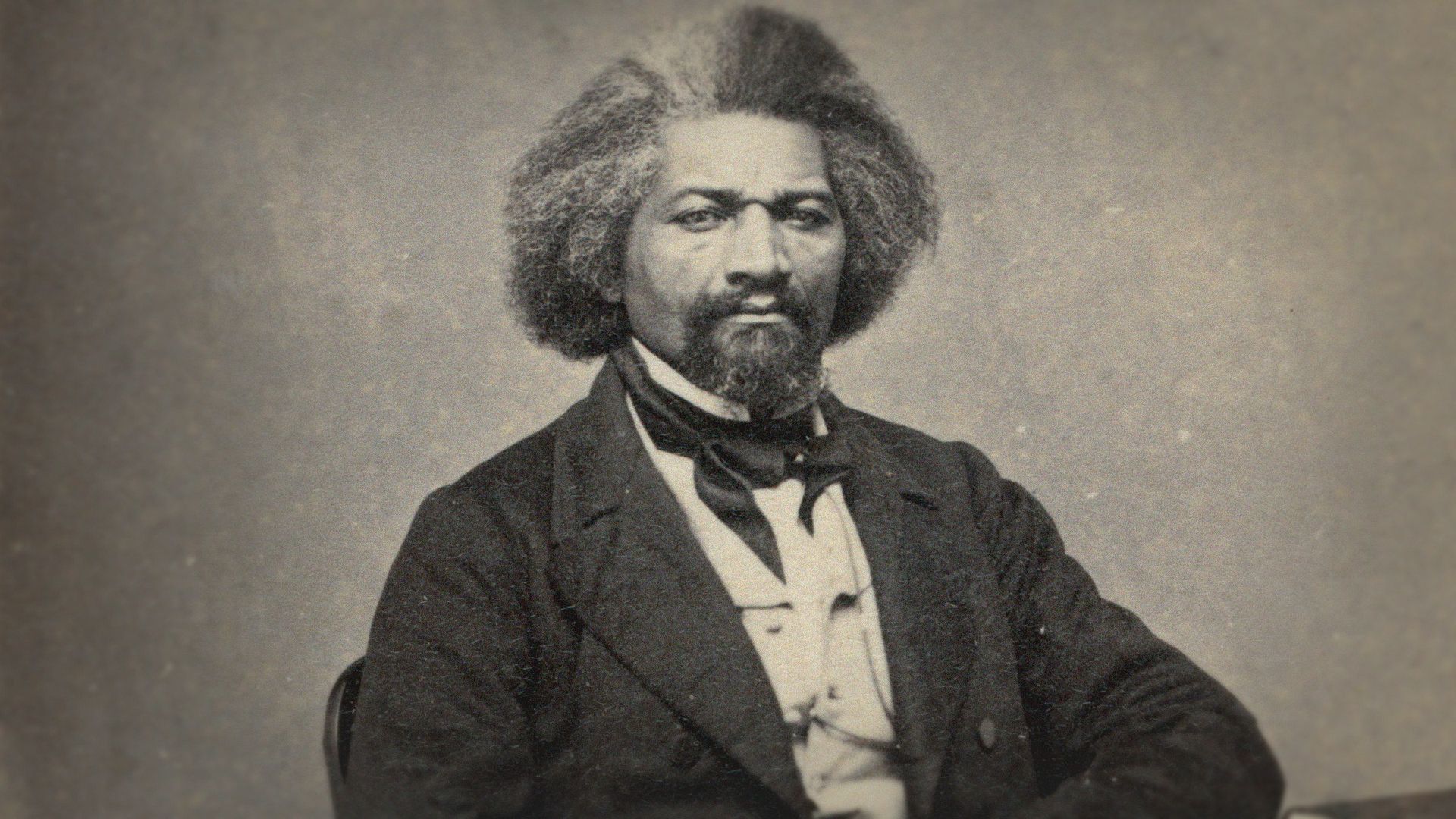 | I prefer to be true to myself, even at the hazard of incurring the ridicule of others, rather than to be false, and incur my own abhorrence. | Frederick Douglass, Narrative of the Life of Frederick Douglass, an American Slave (1845) | |||||||
Active | For the secret of man’s being is not only to live but to have something to live for. | 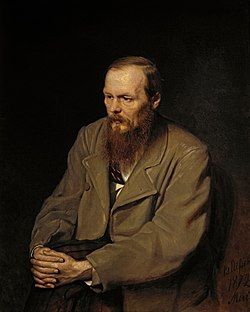 | “For the secret of man’s being is not only to live but to have something to live for. Without a stable conception of the object of life, man would not consent to go on living, and would rather destroy himself than remain on earth, though he had bread in abundance” | Fyodor Dostoevsky, The Brothers Karamazov (1880), Constance Garnett translation (2009) | https://www.gutenberg.org/cache/epub/28054/pg28054-images.html | ||||||
SignatureX | Drawing a parallel to planned/engineered obsolescence, this is a counterproductive state where a person's internal world is constructed to prevent long-term growth, either by consistent anxiety-pleasing habits or by classical conditioning from uncontrollable influence. | ||||||||||
SignatureX | Researchers had participants wear embarrassing t-shirts into a room of strangers. The participants estimated that about half the people noticed their shirt, but in reality, only about a fourth did. We drastically overestimate how much others notice our flaws, fears, and insecurities. | Gilovich, T., Medvec, V. H., & Savitsky, K. (2000). The spotlight effect in social judgment: An egocentric bias in estimates of the salience of one's own actions and appearance. Journal of Personality and Social Psychology, 78(2), 211-222. https://doi.org/10.1037/0022-3514.78.2.211 | |||||||||
SignatureX | When people acquire a bit of knowledge about a discipline, their overconfidence leads to arrogant ignorance, a state where beginners think they know more than they actually do. As the complexity and confluence becomes apparent, their confidence often drops at or below the initial state of understanding before gradually rising again as genuine expertise develops. | Kruger, J., & Dunning, D. (1999). Unskilled and unaware of it: How difficulties in recognizing one's own incompetence lead to inflated self-assessments. Journal of Personality and Social Psychology, 77(6), 1121-1134. | https://doi.org/10.1037/0022-3514.77.6.1121 People who perform poorly on tests of humor, logical reasoning, and grammar systematically overestimate their performance and abilities. This overestimation occurs because the same lack of skill that leads to poor performance also prevents them from recognizing their incompetence - both in themselves and in others. The pattern shows that those in the lowest quartile of actual ability consistently rate themselves as above average, while those with higher ability tend to slightly underestimate their performance relative to others. | ||||||||
Active | Demarcation between the fighting man and the thinking man is liable to find its fighting done by fools and its thinking by cowards | .png) | "The nation that will insist on drawing a broad line of demarcation between the fighting man and the thinking man is liable to find its fighting done by fools and its thinking by cowards.” | William Francis Butler, Charles George Gordon (1889) | https://books.google.com/books?id=DmkDAAAAMAAJ&printsec=frontcover#v=onepage&q&f=false | ||||||
Active | It is not the man who has too little, but the man who craves more, that is poor. | .jpg) | "It is not the man who has too little, but the man who craves more, that is poor. What does it matter how much a man has laid up in his safe, or in his warehouse, how large are his flocks and how fat his dividends, if he covets his neighbour's property, and reckons, not his past gains, but his hopes of gains to come? Do you ask what is the proper limit to wealth? It is, first, to have what is necessary, and, second, to have what is enough.” | Lucius Annaeus Seneca, Moral Letters to Lucilius / Letters from a Stoic, Richard Gummere translation (1915) | |||||||
The great distance between us makes me anxious. I fear you will have too much upon your hands. The multiplicity of cares which surround you fill me with concern. |  | “I am anxious to hear how you do. The great distance between us makes me anxious. A thousand fears crowd upon my mind. I cannot help being apprehensive that your health will be injured by so much application to business and so little relaxation. I fear you will have too much upon your hands. The multiplicity of cares which surround you fill me with concern.” | Abigail Adams, 7 May 1776 | ||||||||
Active | The dessolated Lover and disappointed Connections, are compelled by their Grief to reflect on the vanity of human Wishes and Expectations | 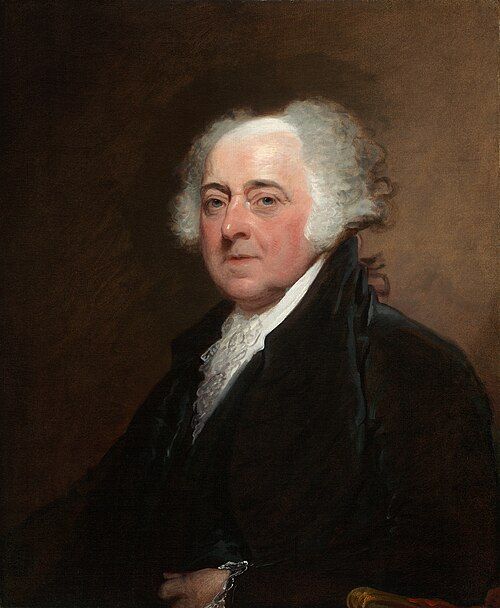 | “The dessolated Lover and disappointed Connections, are compelled by their Grief to reflect on the vanity of human Wishes and Expectations; to learn the essential Lesson of Resignation; to review their own Conduct towards the deceased; to correct any Errors or faults in their future conduct towards their remaining friends and towards all Men; to recollect the Virtues of the lost Friend and resolve to imitate them; his Follies and Vices if he had and resolve to avoid them.” | John Adams, 6 May 1816 | |||||||
Active | Be courteous to all, but intimate with few, and let those few be well tried before you give them your confidence | 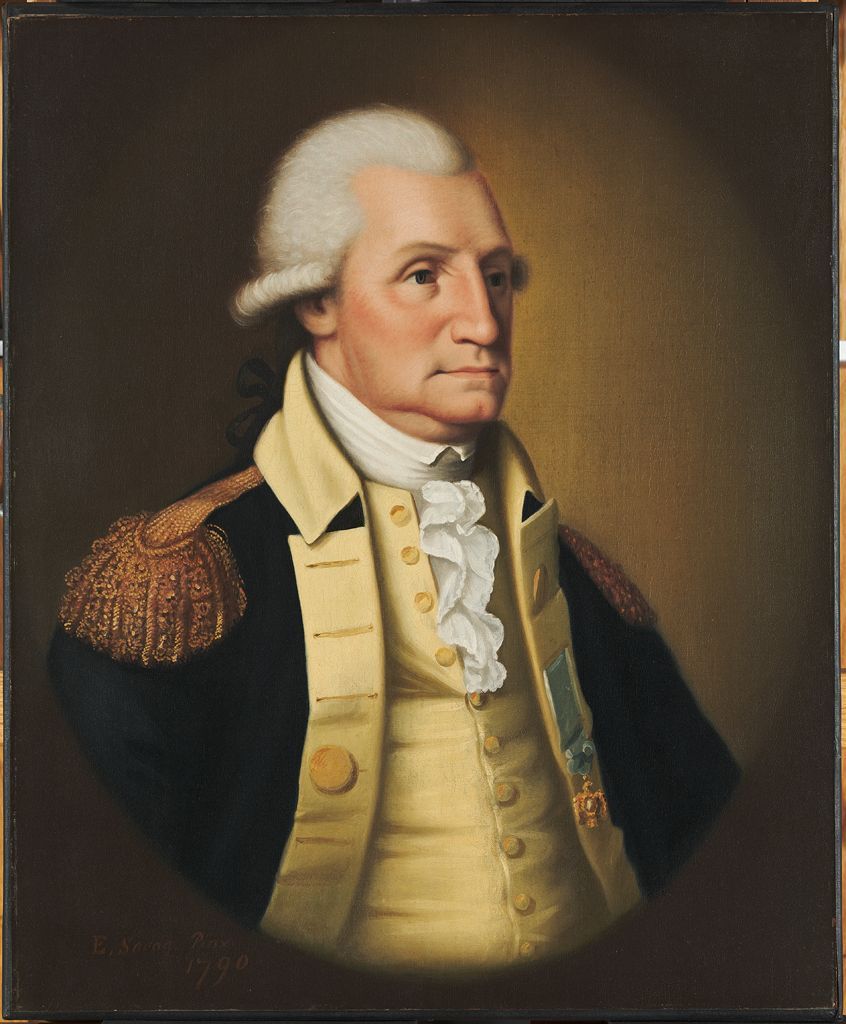 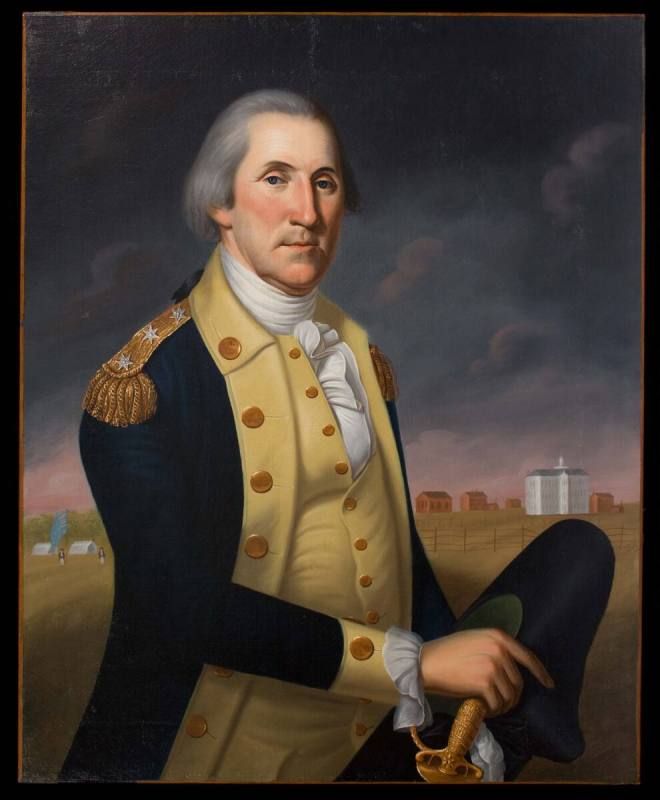  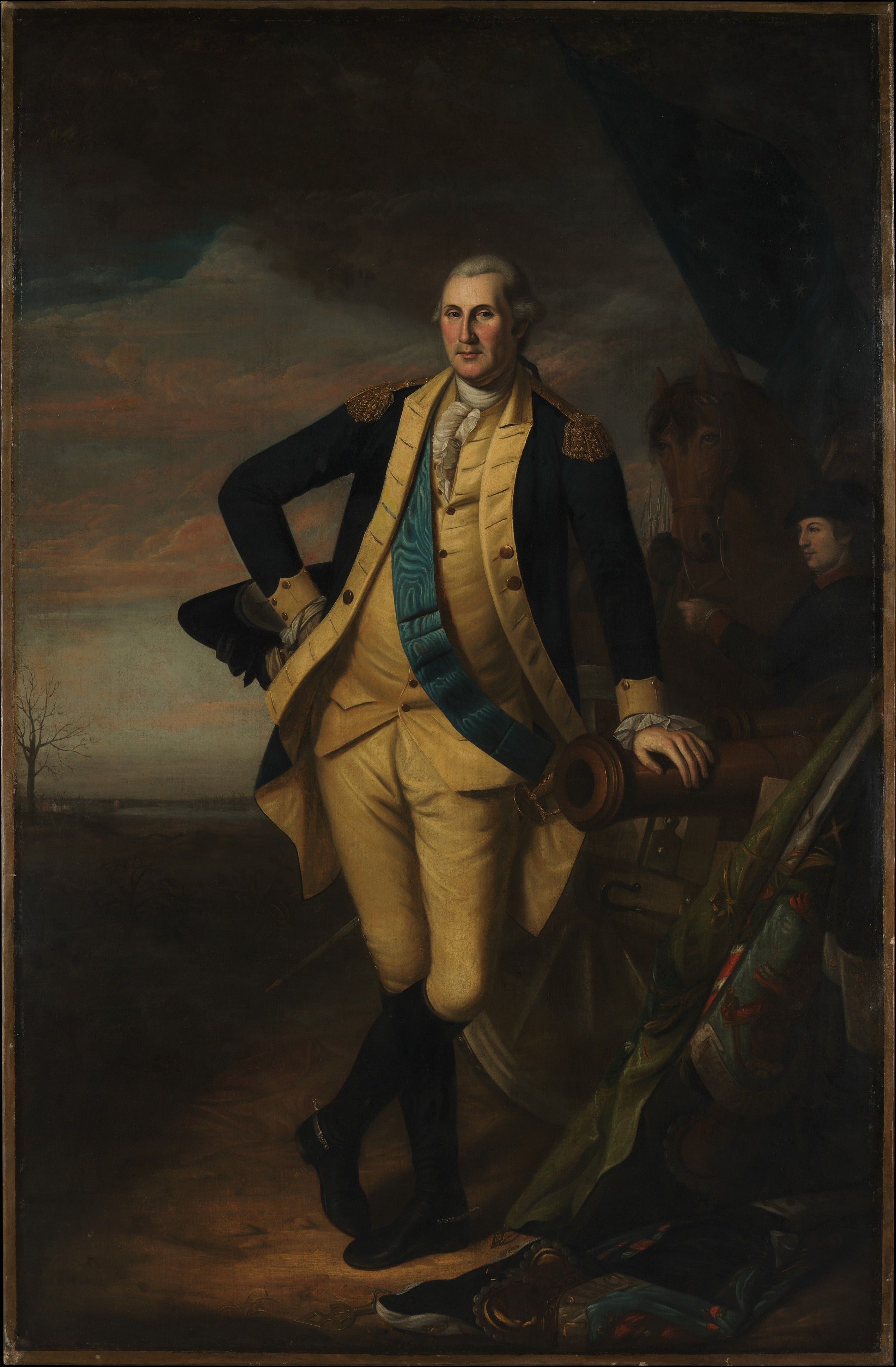 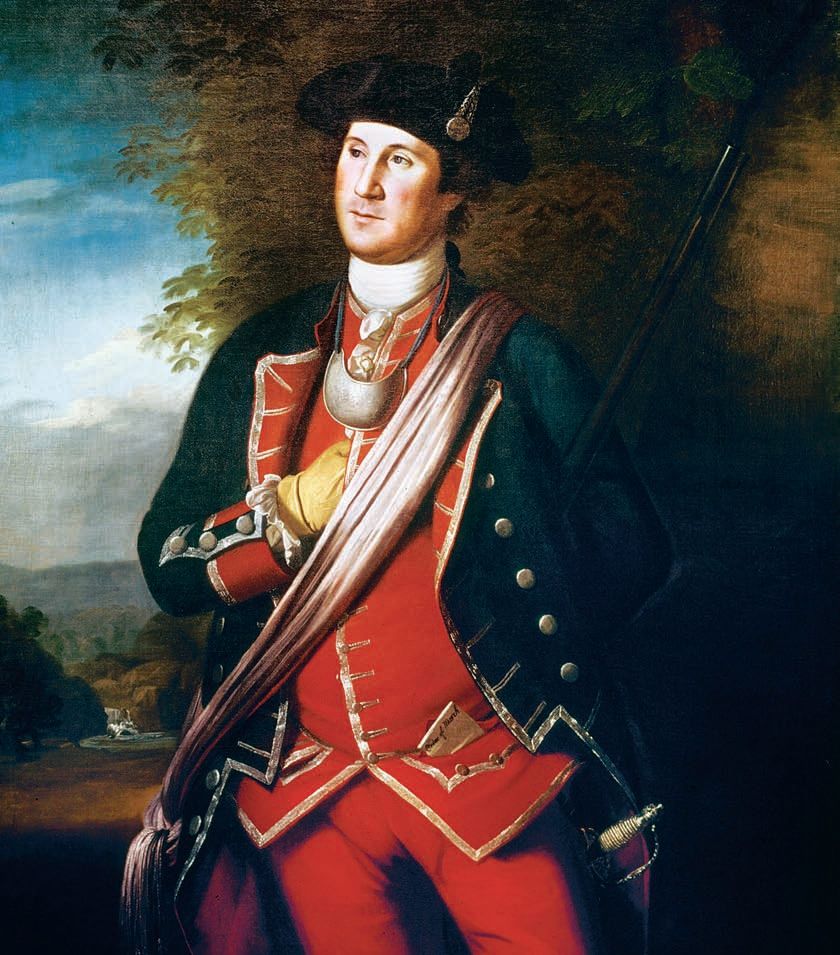 | "Be courteous to all, but intimate with few, and let those few be well tried before you give them your confidence - true friendship is a plant of slow growth, and must undergo & withstand the shocks of adversity before it is entitled to the appellation.“ | George Washington, 15th January 1783 | https://founders.archives.gov/documents/Washington/99-01-02-10429 |
